How to Feel Human Again
Connectedness to strengthen human biology
Nov 4, 2025
By: Michiel Knoppert
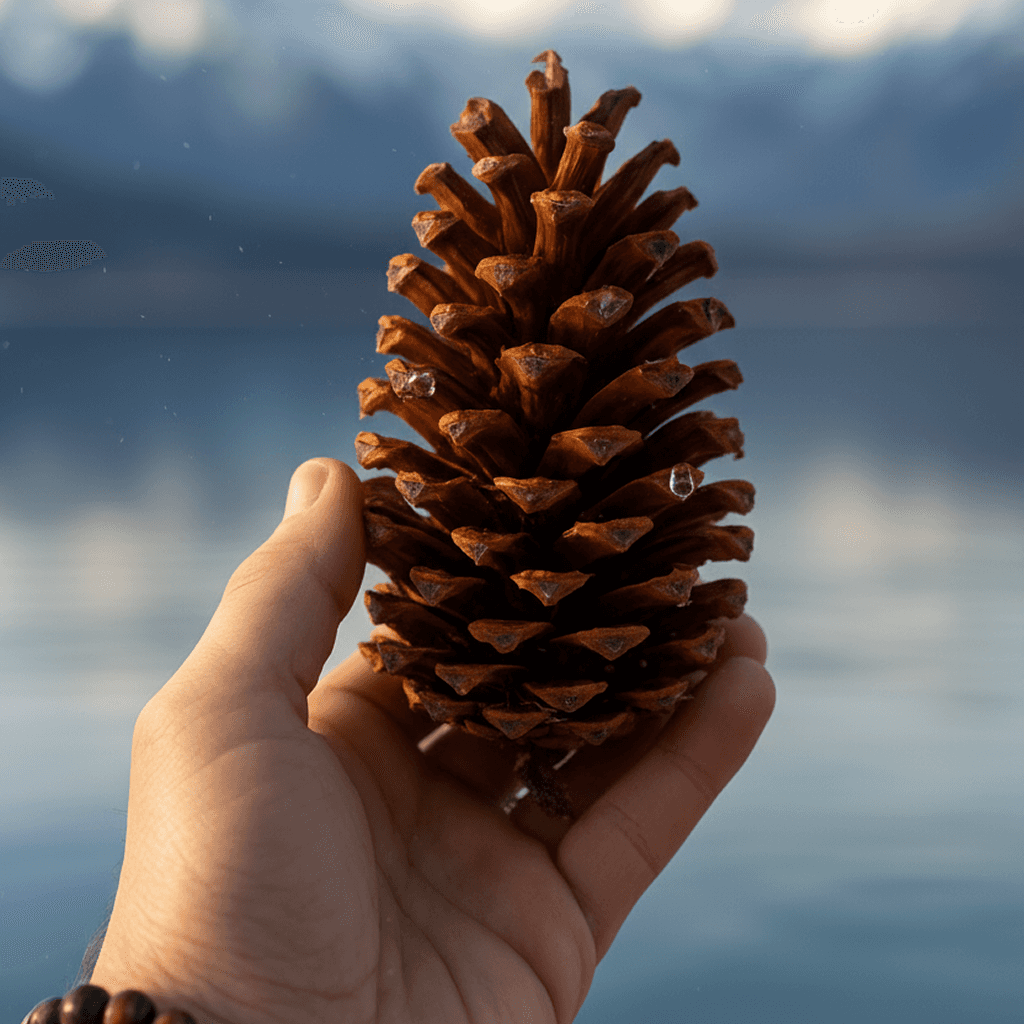
What are the effects of disconnection from nature, household and community on human biology? Can we mend ourselves by embracing alternative ways of living?
This article is part of a broader exploration of the Uncivilize framework, which describes four modes of human living — Global, Local, Domestic, and Wild. Together they help us see that the way we live today is a choice. It is one option among many, and shifting into different modes may help us rebuild lives that are healthier, more connected, and more human.
To understand what it means to feel human again, we need to understand the forces shaping us. Modern life in the Global Mode offers safety, abundance, and convenience — but it also separates us from the very relationships our biology depends on. The Uncivilize framework helps us see these patterns clearly, and points to the three forms of reconnection that restore us: connection to the Wild, the Domestic, and the Local.
Global Mode — The issue with Decoupling
We have systematically cut the cords that connect us to the things that make us human.
It began the moment we convinced ourselves that progress meant escaping the effort of living. We created machines to remove the tedious work of growing food, and maintaining a home, services to help with raising children, and keeping us entertained. We outsourced our attention, our care, our survival — told that more, bigger, faster, easier, would make life better.
But with every 'burden' we removed, we also pushed away a piece of our humanity.
Researchers call this decoupling — the slow separation of human life from nature, from home-making, and from community. The removal of daily intimacy with the wild world. The household workshop goes silent. The village square empties out. Life becomes something we consume instead of create.
And convenience changes us — not just culturally, but biologically.
Global Mode brought food security and modern medicine, material wealth and convenience. But also filled our days with chronic stress and high cortisol, inflammation from polluted air and synthetic chemicals, artificial light and screentime that disturb our circadian rhythms and hormonal cycles, and sedentary habits that weaken a body built for movement. Loneliness quietly increases cardiovascular risk as much as smoking does.
When Global Mode dominates, we see:
Indoor living under artificial light causing Melatonin dysregulation and anxiety
The struggle to keep up suppresses the immune system through Cortisol overload
Loneliness increasing mortality through cardiovascular strain
The antidote is not to abandon modernity, but to scrutinize and balance it. To shed what's destructive and rebuild the relationships that the Global Mode has quietly erased. To remember who we are by remembering what we are connected to.
That work has three threads:
Connecting with the Wild,
Connecting with the Domestic,
Connecting with the Local.
Wild Mode — The Earth in Our Bodies
We were shaped by forests, rivers, living soil, birdsong. Our nervous systems evolved to calm in green landscapes. Our immune systems learned to fight illness through constant exchange with the microbiome of the natural world.
When we return even briefly to the Wild Mode — walking under trees, touching cold water, listening to wind — the body recognizes something familiar. Stress dissolves. Sleep deepens. Immune cells mobilize. Mood lifts.
Nature is not a luxury. It is a biological nutrient: the original environment our health was designed for.
Nature restores the systems that keep us well:
Forest air rich in phytoncides boosts immune cell activity
Soil microbes like M. vaccae increase serotonin
Natural light restores circadian rhythm and reduces inflammation
Domestic Mode — Body in Motion, Hands Alive
For most of human history, home was a place of production. We cooked, we repaired, we crafted, we cared. The work of living was embodied work — movement, creativity, precision, skill — and this work shaped our bodies into durable, capable beings.
To make, to tend, to maintain is to be fully alive. Daily effort is not punishment — it is medicine.
When we chop vegetables, knead dough, hang laundry, raise children, plant a garden — our hearts strengthen, our brains refresh, our hormones rebalance. Muscles work in ways no gym can replicate. We feel useful, needed, connected to purpose.
Ivan Illich warned that when institutions and machines replace this competence, we are not liberated — we are deskilled. We lose the pride of being able to do things ourselves. Restoring Domestic Mode restores agency. It reawakens dignity in our hands.
Home-based doing strengthens the body and mind:
Everyday movement reduces all-cause mortality
Cooking whole foods nourishes the gut microbiome
Craft and care increase dopamine and neuroplasticity
Local Mode — Our Biology of Belonging
We are a species born to be woven into shared life. When we are known — truly known — the body relaxes its guard.
Evolution shaped us for communities where identity grows from contribution, where effort and stories are shared, and where solidarity is our primary source of security. When we rebuild these networks — when we say hello to neighbors, share tools, celebrate rituals, show up — we restore the chemistry of belonging.
Oxytocin rises through trust and laughter. Cortisol falls when we feel supported. Immunity strengthens when life is interdependent. Community is not an ornament — it is life support.
Belonging protects our biology:
Strong local ties reduce mortality as much as quitting smoking
Shared rituals regulate the HPA stress axis
Face-to-face bonding releases endogenous opioids and oxytocin
Mending our biology by balancing modes
Industrial society has transformed our world. But in the process, it has shrunk the places where life actually happens. The wild becomes scenery. Home becomes a place of consumption. Community becomes transaction.
Uncivilize is the act of mending.
Mending our relationship with nature, realize we are an integral part of it.
Mending our role in the home, we did not evolve to merely consume.
Mending our place in community, participation is what keeps us alive.
We are not calling for hardship — only for re-engagement.
Grow herbs on a windowsill.
Cook a meal from scratch.
Get to know your neighbors.
Small acts are powerful because they reattach broken threads.
Wild. Domestic. Local.
The three places where we become human again.
Sources
Wild Mode – Human–Nature Connection
Capaldi, Passmore et al. (2015). Frontiers in Psychology — Nature connectedness & wellbeing outcomes.
Li, Q. (2018). Forest Bathing — NK-cell activation from phytoncides.
Lowry, C. et al. (2007). Neuroscience — Soil microbes & serotonin regulation.
Kuo, M. (2015). Ecopsychology — Cognitive gains and immune benefits from green exposure.
WHO Urban Green Spaces Report (2016). — Public health impacts.
Domestic Mode – Embodiment, Skill, Household Production
Buettner, D. (2012). The Blue Zones — Longevity from household labour & food culture.
Wingeier-Werneke (2020). Journal of Physical Activity — Light daily physical activity & all-cause mortality.
Keinan & Kivetz (2011). JCR — Creative labor and psychological reward.
Ivan Illich. Tools for Conviviality (1973); Shadow Work (1981). — Institutional deskilling.
Local Mode – Social Fabric, Belonging, Wellbeing
Holt-Lunstad, J. et al. (2010). PLoS Medicine — Social connection = life expectancy gains.
Cacioppo, J. (2018). Loneliness — Biological and cognitive consequences of isolation.
Valtorta, N. et al. (2016). Heart — Social isolation & cardiovascular disease.
Haslam, S. et al. (2018). The Social Cure — Identity & community for better health.
Global Mode – Risks of Decoupling
Bratman, G. et al. (2019). Nature Sustainability — Environmental decoupling & cognitive stress.
Louv, R. (2005). Last Child in the Woods — Nature deficit disorder.
Arendt, H. (1958). The Human Condition — Automation & the loss of active life.