Defence in the service of life
idea: a Resilience Service
Nov 6, 2025
By: Michiel Knoppert
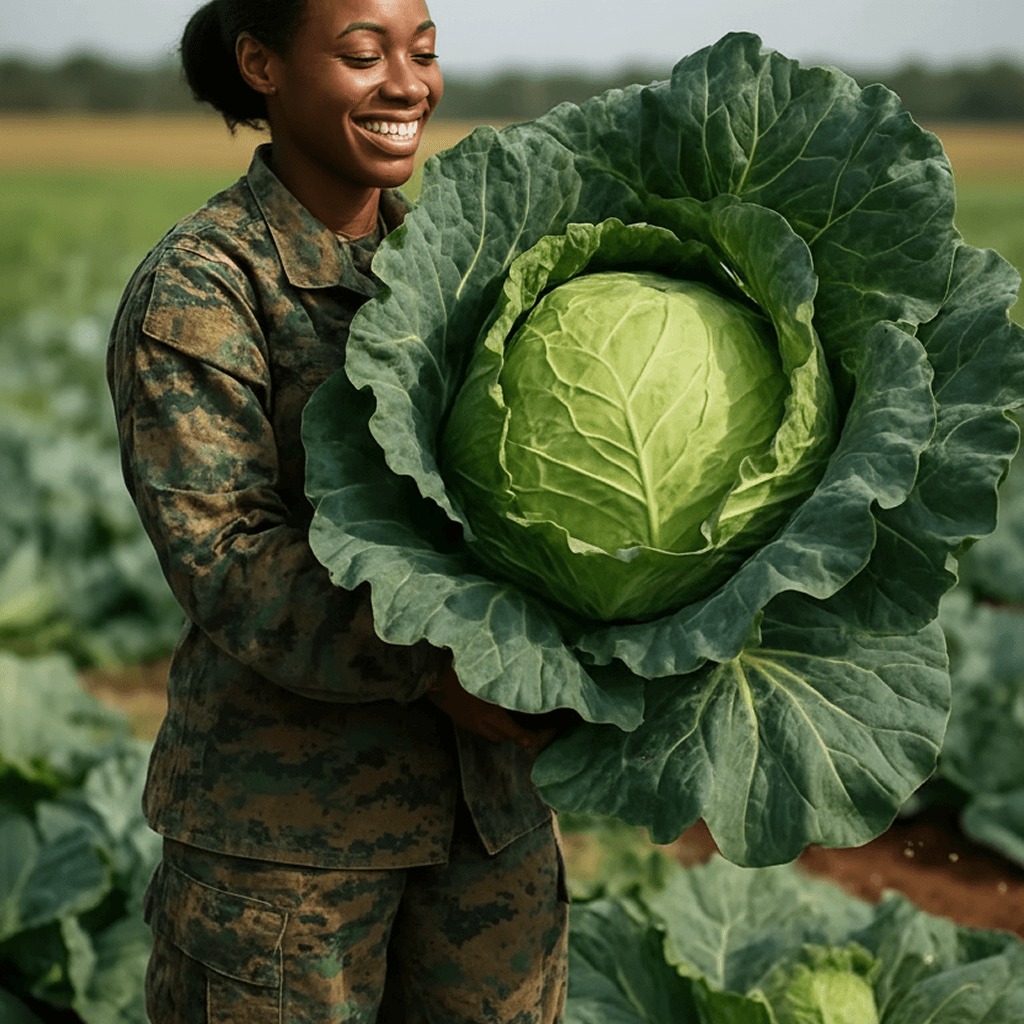
Why Europe must defend more than borders
Europe’s security debate has become louder again. Russia’s war in Ukraine brings back language we thought we left behind: troop increases, bigger defense budgets, and talk of a draft. The dominant storyline is familiar: invest in more technology, more reach, more complexity. It’s the mindset of the Global Mode — safety delivered by powerful, centralized systems that rely on rare materials, vast supply chains and a belief that someone else, somewhere else, will deliver what we need.
But the future isn’t cooperating with that story. War is changing in unpredictable ways. Drone innovation on the battlefield makes billion-euro procurement plans look slow and outdated. The first targets are energy grids and water systems, not armies in formation. Civilians are not protected by distance; their daily lives become the frontline. At the same time, floods, heatwaves, power failures, supply-chain disruptions and industrial accidents all expose a shared vulnerability: our survival depends too heavily on systems that can fail everywhere at once.
What if the path to strength is not more complexity, but more diversity in how we meet our needs?
Global Mode is necessary — but insufficient
Uncivilize argues that societies function across four modes: Global, Local, Domestic and Wild. A resilient society depends on all of them working together. But in recent decades, Global Mode has overwhelmed the rest. Our food crosses oceans before reaching our plates. Our energy comes from distant sources we don’t control. Our hospitals rely on digital networks that can be taken down with a single cyberattack. When the system works, it feels like magic. When it doesn’t, the magic disappears instantly.
Even in moments of stability, this global machinery comes with enormous hidden costs: climate disruption, ecological collapse, resource depletion, geopolitical tension, and a steady erosion of everyday skills and resilience. The more we depend on distant complexity, the less capable we become at home.
Yet the dominant mindset still tells us to defend ourselves with even more of the same: more technology, more centralization, more fragile supply chains. Faced with new threats, Europe is preparing to double down on the very system that makes us vulnerable.
Local Mode: the infrastructure within reach
Across Europe, a different kind of capability can be built — one that does not vanish if satellites go down or fuel stops flowing. Community-powered energy can keep neighborhoods warm even if the grid is targeted. Regional clinics and practical medical skills can stay active without a constant digital lifeline. Local food networks allow people to thrive even when container ships stop arriving.
These solutions strengthen community in ordinary times and become lifelines when global systems fail. They cost less, create jobs close to home, and reduce dependence on unpredictable imports. Local isn’t nostalgic; it’s strategic.
Domestic Mode: resilience that lives inside people
Real resilience begins where we live. When blackouts hit or storms rise, the most critical defence is often a household’s ability to cope. Skills like growing and preserving food, maintaining clean water, performing first aid and caring for vulnerable neighbors turn ordinary people into active guardians of safety. These capabilities restore confidence and dignity. A population that knows how to care for itself reduces the burden on top-heavy systems and becomes harder to destabilize, by aggressors, economic instability or natural disaster.
Wild Mode: the land that protects us back
Europe’s wild spaces are not decorative; they are life-support systems. Wetlands store water and soften floods. Forests cool cities and collect carbon. Healthy soils and diverse ecosystems provide food, medicine and raw materials. Landscape restoration can even slow physical threats — whether advancing troops or expanding wildfires. Re-wilding protects people without requiring electricity or imports. Nature becomes a strategic ally.
A new form of national service: building the future instead of destroying it
What if the civic duty we ask of young people wasn’t only about preparing for war, but also about strengthening society in peacetime? A civilian Ecological Resilience Service would train citizens to restore landscapes, support local food and water systems, reinforce neighborhood networks and keep essential services operational during disruption. It would not replace the military but complement it — making society more coherent, fair and resilient.
This service gives young people a role rooted in care. It transforms fear into agency. It builds a sense of belonging, purpose and connection that no weapons platform can create. It becomes a shared investment in the places we love — and in each other.
The opportunity right in front of us
Europe does not need to choose between being strong and being human. By restoring balance between the modes — using Global where it adds value, Local to provide resilient infrastructure and services, Domestic where competence is dignity and Wild where nature is partner — we build a culture that is harder to destabilize and far more rewarding to live in.
Resilience becomes a positive force: lowering costs, increasing health, boosting local economies, reducing ecological harm and giving people more control over their lives. A country where every community can keep itself fed, sheltered, warm and connected is a country no enemy can truly defeat.
This is what defending life looks like. Not just surviving crisis — but thriving despite it. Not just readiness — but renewal.